AI Models · 2026 Hands-On Test
The Best AI Model for UI Design in 2026: Claude Opus vs Sonnet vs Gemini Flash, Tested

Most AI design tools lock you to one model. Claude Design runs Opus 4.7. Stitch runs Gemini. Figma Make uses Claude under the hood without telling you which version. The cost and quality differences across models for UI design work are large enough that the locked-tool pattern leaves real money and real polish on the table.
We ran the same UI brief through Claude Opus 4.7, Claude Sonnet 4.6, and Gemini Flash inside dMaya, where the model picker is a per-generation choice. Same prompt, same evaluator, same hour. This is the test write-up: which model wins for which job, what each actually costs, and the case for picking the model per generation instead of accepting whatever a tool decided for you.
We are dMaya. The model picker is one of the things that distinguishes us from the locked-tool alternatives. The numbers below are real. Use them to pick the right tool for your work, even if that ends up not being us.
Why model choice matters more than tool choice
For UI design specifically, the model is doing the visual judgment work. The tool is the canvas around it. Different models produce noticeably different output on the same brief, and the cost spread across models is a 5x to 10x range depending on plan and provider.
Concrete: a hundred Opus 4.7 generations on Claude Pro can burn a full week of usage. The same hundred generations on Gemini Flash inside Stitch is free during Labs. The same hundred on Sonnet 4.6 in dMaya is roughly half the credit cost of Opus. None of these are small differences, and they compound across an agency running multiple client projects.
The honest answer to "what is the best AI model for UI design" is that it depends on what you are about to do in the next 30 seconds. Hero direction setting is a different job from variant exploration is a different job from final iteration. Different jobs want different models.
The test setup
Same brief across all three models, run inside dMaya so the canvas, tooling, and prompt plumbing were identical. Tested on April 24, 2026. The brief: a freelancer SaaS dashboard, editorial typography, restrained palette, atmospheric depth on the hero only, four screens.
Each model got one shot, no priming, no follow-up corrections. Output graded on output quality (polish), structural correctness (positioning, spacing), and consistency across screens. Timer started on submit, stopped when generation completed. Credit cost recorded.
We did not test against models in their native locked tools (Claude Design's Opus, Stitch's Gemini). Those comparisons live in the three-tool comparison. This test is about the model itself, with the tool variable held constant.
Claude Opus 4.7: hero direction
Opus 4.7 produced the most deliberately art-directed output of the three. Typography committed to a serif-display + sans-body pairing. Restraint in the palette: two colors plus a soft accent. Atmospheric depth used only on the hero, exactly as briefed. Spacing rhythm consistent across the four screens. The output looked like a designer made it.
Time: roughly 2.5 minutes from submit. Credit cost: about 220 credits in dMaya, or approximately 20% of a 5-hour Claude Pro window if run via Claude Design. Output usable as client-ready first pass with light cleanup.
When Opus wins:hero pages, pitch decks, the moment in a project where every detail matters and you are setting the direction. Not for fast iteration; the cost per generation makes it the wrong choice for "move that 16px to the right" work.
Claude Sonnet 4.6: fast iteration
Sonnet 4.6 produced output close to Opus on structural correctness and palette commitment, with slightly less polish in the typographic and spacing details. Most readers would not notice the gap on a single screen; the difference shows up in the small decisions Opus makes more deliberately (font pairing, kerning, atmospheric layering on the hero).
Time: faster than Opus on the same brief. Credit cost: about 110 credits in dMaya, roughly half of Opus. Output usable as a strong iteration pass once direction is set.
When Sonnet wins: the iteration phase after the hero direction is locked. Cosmetic refinements, additional screens that need to match an established visual language, fast adjustments where Opus would be over-spec. The right default for most generations after the first one.
Gemini Flash: cheap exploration
Gemini Flash produced output that was structurally bolder than Sonnet but with less restraint. Where Opus and Sonnet hedged on a typography choice, Flash committed. Sometimes that commitment landed (a striking layout we would not have prompted toward). Sometimes it overshot (motion or color choices that needed refinement).
Time: fastest of the three. Credit cost: cheapest tier in dMaya. Output usable as a first-pass for variant exploration; usually needs a follow-up generation in Sonnet or Opus to refine for delivery.
When Flash wins: exploration. Generate five variants of the same brief on Flash to see what aesthetic territories exist before committing. Flash is also useful for non-precious work like internal admin dashboards where the cost-quality trade-off favors speed.
Side-by-side comparison
| Metric | Opus 4.7 | Sonnet 4.6 | Gemini Flash |
|---|---|---|---|
| Time to output | ~2.5 min | faster than Opus | fastest |
| Credits / generation (dMaya) | ~220 | ~110 | cheapest tier |
| Output polish | Highest | High | Bold but less restraint |
| Restraint / nuance | Strong | Strong | Lower |
| Best use | Hero direction, pitch decks | Iteration, additional screens | Exploration, variants |
| Worst use | Cosmetic tweaks (over-spec) | Wide aesthetic exploration | Final client deliverable |
The numbers are honest. The ranking is not absolute. The right model is the one that fits the next 30 seconds of work.
Pick the model per generation, not per session.
dMaya's model picker lets you choose Opus, Sonnet, or Gemini Flash on each generation. Plans start at $18/mo.
Start DesigningDecision tree: which model when
Use Opus 4.7 when
- ✓ Setting the hero direction for a project
- ✓ Pitch deck or client-facing showcase
- ✓ Output needs to be art-directed, not just functional
- ✓ One pass should be close to deliverable
Use Sonnet 4.6 when
- ✓ Direction is locked, you are iterating
- ✓ Generating additional screens for an existing language
- ✓ Cost matters and you cannot justify Opus
- ✓ Default for most generations after the first
Use Gemini Flash when
- ✓ Exploring aesthetic territory before committing
- ✓ Generating multiple variants for review
- ✓ Internal tools where speed beats polish
- ✓ Cost-sensitive work or hobby projects
Why the model picker pattern wins
Locked-model tools work for the narrow case where one model fits all the work you do. Claude Design fits a designer who only ever needs Opus output and is happy paying Pro weekly limits for it. Stitch fits a hobbyist who only ever needs Flash exploration and does not care about polish. For everyone else, the lock is a tax.
The picker pattern matches the reality that a single project pulls work from across the cost-quality curve. Hero direction wants Opus once. Iteration wants Sonnet five times. Variant exploration wants Flash twice. A picker lets you spend the right credits on each of those steps without restarting the session or switching tools.
dMaya is currently the most explicit implementation in the vibe design category. Other tools will likely add the pattern over the next year because users will not accept paying Opus rates for variant exploration once they have seen the alternative.
For the broader picture on how vibe design tools differ on the model question and on everything else, see our vibe design field guide and the three-tool comparison with full timings.
Pick the model that matches the work.
dMaya runs Opus 4.7, Sonnet 4.6, and Gemini Flash through a per-generation model picker on a multi-screen canvas. Plans start at $18/mo.
Start DesigningKeep reading
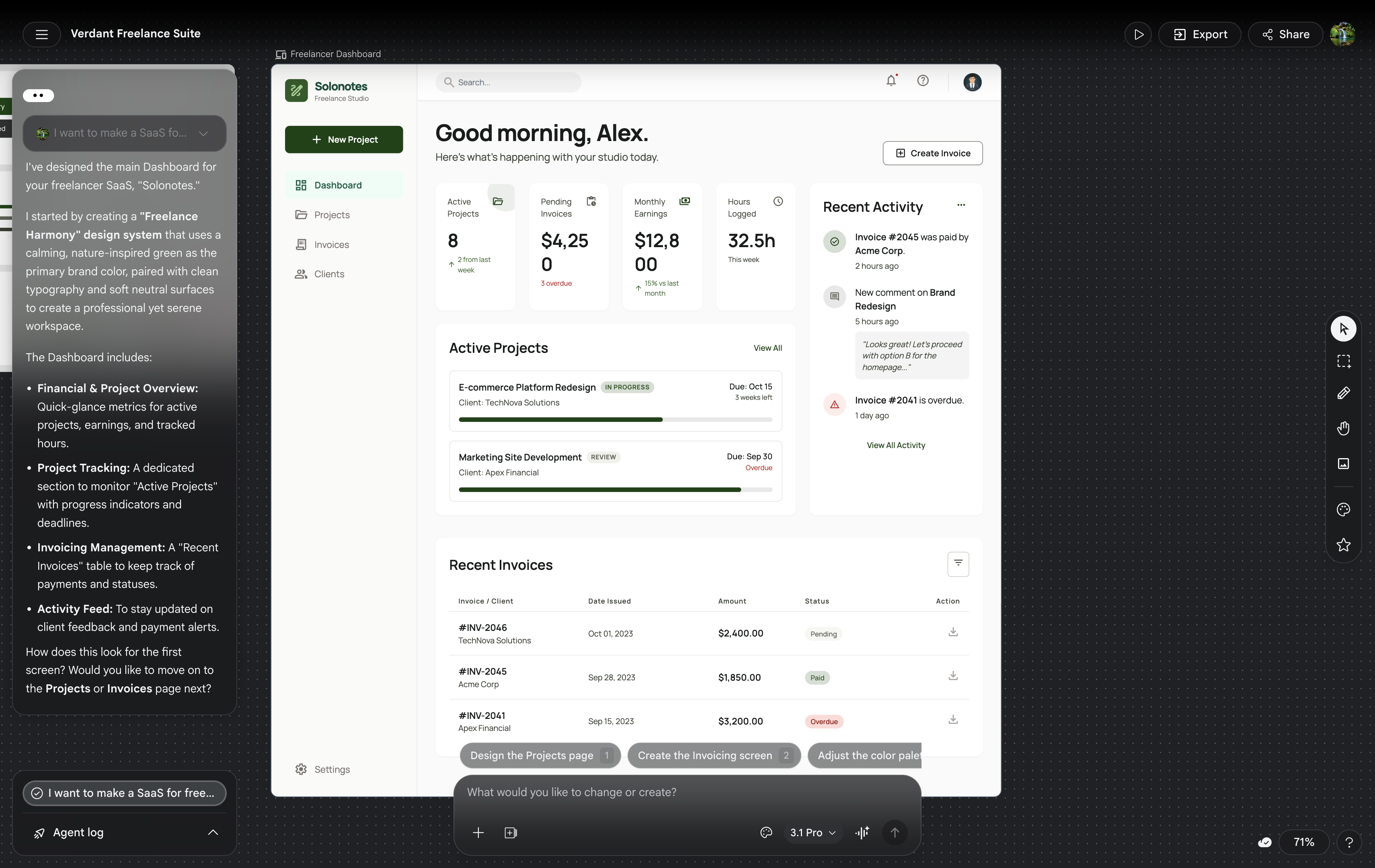
Three-tool test
Google Stitch vs Claude Design vs dMaya
Same prompt across three tools. Real timings, real cost.
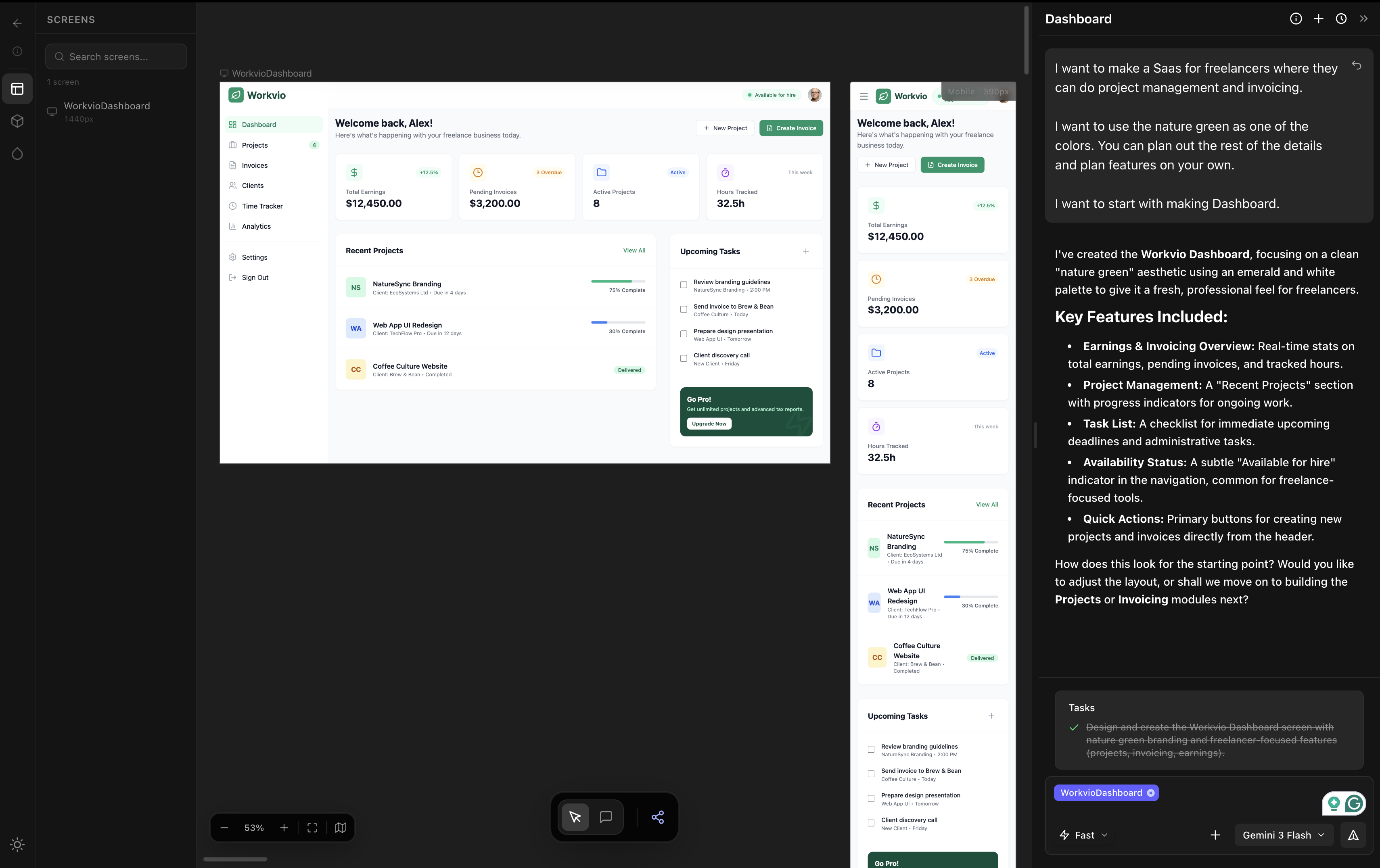
The category
Vibe Design: The Definitive 2026 Guide
Definition. 5 tools compared. Real timings. The workflow that ships.
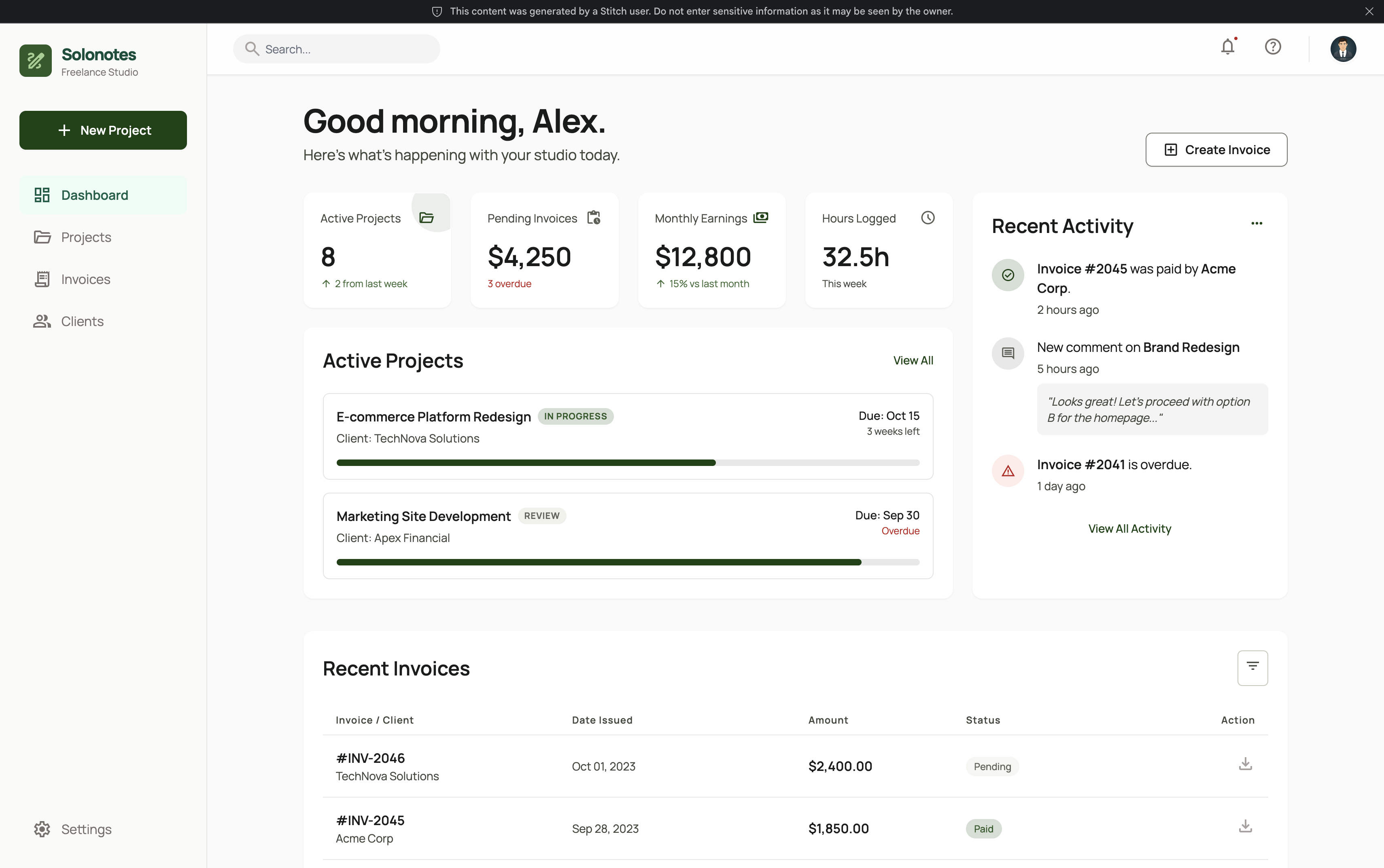
Hands-on review
Google's Vibe Design (Stitch 2.0)
Tested hands-on. What works, where it breaks.